In the Lviv region, the court found a man guilty of evading mobilization and sentenced him to three years of imprisonment. The man received a summons but refused to respond, citing his religious beliefs.
Case Details
The 26-year-old defendant, who has vocational training and works as a junior paper cutter, was deemed fit for service by the Military Medical Commission (MMC). Nevertheless, he intentionally did not appear for enlistment in the military unit. The staff of the Territorial Recruitment Center (TRC) compiled a report on his failure to appear.
Defendant’s Position
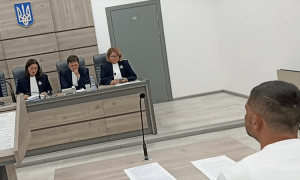
In court, the defendant declared his innocence. He stated that he is a “Jehovah’s Witness” and has religious beliefs that prohibit him from military service.
- He noted that he did not appear at the TRC on January 21, 2025, as he had submitted applications for changing military service to alternative service and was waiting for a response.
- The defendant also sent a registered letter to the TRC regarding his religious beliefs and the request for alternative service.
- Although he was aware of the consequences of failing to appear for military summons, he requested acquittal and referred to his inquiry.
A Witness-Pastor from the religious organization “Jehovah’s Witnesses” confirmed that military service is unacceptable for members of their faith, as it involves the use of weapons and participation in armed conflicts. He also stated that military obedience makes it impossible for Jehovah’s Witnesses to perform any activity in the armed forces of Ukraine.
Court Ruling
The court carefully examined all evidence and concluded that the guilt of the defendant was established.
The court took into account that the defendant was deemed fit for service, received a summons, and intentionally did not appear for enlistment.
Regarding religious beliefs:
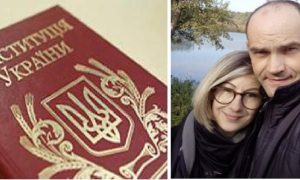
- The court noted that the Constitution of Ukraine guarantees the right to freedom of belief and allows for the possibility of alternative service.
- However, the law of Ukraine on alternative service states that:
- Alternative service cannot be applied in a state of war.
- The legislation does not provide exemption from conscription during mobilization solely based on religious beliefs.
- Thus, the defendant’s argument for the right to alternative service is not a legal ground for evading mobilization during a state of war.
As a result, the defendant was sentenced to three years of imprisonment.
This case raises many questions about the balance between religious beliefs and the duty to serve in the military during a state of war. In Ukraine, given the ongoing aggression, the issue of conscription and alternative service is becoming increasingly relevant, especially for those who uphold peaceful ideals. The court’s ruling in this case underscores the restrictions faced by believers in times of military conflict.